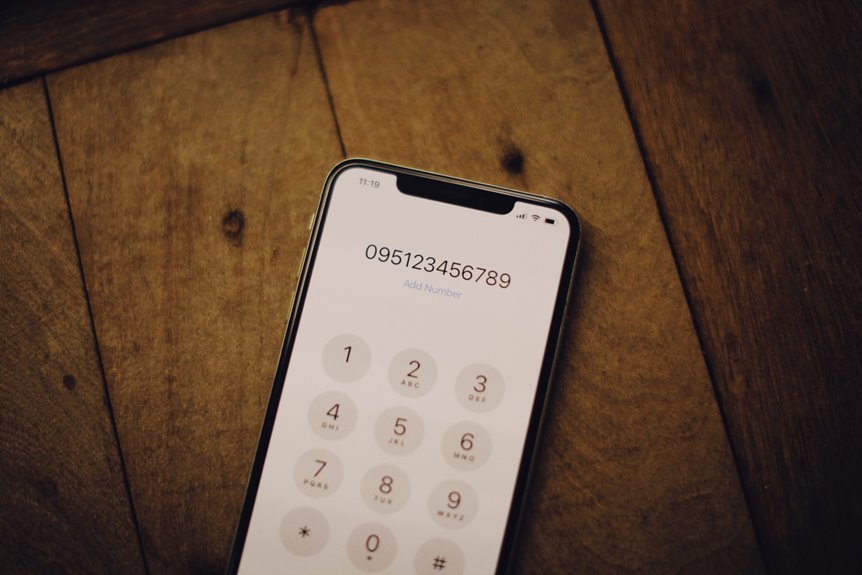
The number 417-815-3424 can signal more than a missed message. It may be a misdial, telemarketing, or a potential scam. The safest approach is to verify who is calling before sharing personal details. Cross-check the number with trusted sources, compare it to known contacts, and use calm, fact-based checks. Stay cautious about voicemails that are unclear or vague, and limit disclosures until identity is confirmed. A careful next step awaits.
What 417-815-3424 Might Be Trying to Tell You
Sometimes a call from a number like 417-815-3424 signals more than a missed message: it may indicate a misdial, a telemarketer, or a potential scam attempt.
What 417 815 3424 might be trying to tell you centers on caller interpretation and caution.
Prioritize verify caller identity and privacy protection, preserving personal freedom while calmly assessing each encounter.
How to Verify Who Called From This Number
To verify who called from 417-815-3424, start with a calm, fact-based check of the call details: review voicemail, call history, and any identifying messages, then cross-check the number against trusted sources or the caller’s known contact.
This process helps verify caller, identify number, and protect autonomy while maintaining privacy and informed choice.
Common Trouble Areas Connected to This Caller
Common trouble areas associated with 417-815-3424 often involve missed calls, impersonation attempts, and ambiguous voicemails. These patterns raise privacy concerns and erode trust. Attention to proper caller verification helps users discern legitimacy, reduce anxiety, and protect personal information. A proactive approach emphasizes calm evaluation, concise messages, and clear expectations, supporting individuals who value freedom from unwanted interruptions while maintaining safety.
Practical Steps to Stay Safe and Protect Your Privacy
Users can reduce risk by applying practical, evidence-based steps to stay safe and protect privacy. The guidance emphasizes awareness of privacy risks and the importance of verified identities, encouraging routine caller verification before sharing personal data. Implement strong authentication, limit disclosures, and document suspicious contacts. Stay informed about evolving threats, and cultivate a cautious mindset that honors personal boundaries without compromising legitimate communication.
Frequently Asked Questions
Can This Number Be Used for Scams Across Apps?
Yes, this number can be used for scams across apps, as scammers exploit cross platform abuse; users should stay vigilant, report suspicious activity, and enable security features to shield personal data and preserve freedom from fraud.
What if I Answered and Didn’T Recognize the Call?
72% feel uneasy after missed calls from unfamiliar numbers. If answered calls were ignored, the person stays cautious; if answered, they verify identity, slow down, and avoid sharing personal info with unfamiliar numbers.
Are There Legal Implications for Blocking This Number?
Blocking numbers is legally permissible in many jurisdictions, though potential consequences vary; awareness is essential. The guidance emphasizes legal implications, blocking numbers, scam awareness, and cross app calls, while remaining proactive, empathetic, and respectful of user freedom.
How Can I Report Spam Calls to My Carrier?
Reporting spam can be done via the carrier’s reporting tools; carriers outline processes, blocking legality remains situational, and call recording privacy is preserved. The approach is proactive, concise, empathetic, and aligned with audience desires for freedom.
Do Call Recordings Affect Privacy or Legality?
Like a distant whisper in a silent hall, call recordings raise privacy concerns and call recording legality. They prompt proactive scrutiny, balancing consent, purpose, and transparency; in freedom-seeking contexts, users assess risks while demanding clear guidelines.
Conclusion
This overview highlights that 417-815-3424 could be misdials, telemarketers, or scams, so cautious verification is essential. In practice, verify identity with trusted contacts and official channels before sharing personal information. A notable statistic: up to 30% of unknown calls in some regions are either scams or spoofed numbers, underscoring the need for skepticism and verification. By staying vigilant, users protect their privacy and autonomy, reducing the risk of deception and data exposure.