Common concerns involving 8014388430 center on unsolicited calls, potential spoofing, and possible fraud attempts. These issues erode trust and disrupt daily routines. A precise approach combines identification with verification: confirm the number, assess call patterns, and distinguish legitimate from deceptive messages. Proactive steps include blocking the line, reporting to the carrier and authorities, and maintaining call logs. Documentation and vigilance matter, as ongoing safeguards offer clearer paths forward, leaving stakeholders with a reason to pursue effective resolutions beyond the initial contact.
What 8014388430 Is and Why It Reaches Your Phone
The number 8014388430 is a telephone identifier encountered when unsolicited or unwanted calls are received, typically originating from automated systems or third-party dialing services. This entry clarifies its function and reach, emphasizing legitimate use limitations and consumer protections.
8014388430 origin is traced through routing metadata, while spoofing indicators may signal misrepresentation. Awareness supports informed decisions and proactive refusal of disruptive communication.
Spotting Spoofing, Robocalls, and Scam Tactics
Spotting spoofing, robocalls, and scam tactics requires a systematic approach: distinguishing legitimate communications from deceptive attempts by analyzing caller behavior, message content, and technical indicators. Researchers emphasize proactive vigilance, clear evidence gathering, and consistent documentation. Emphasis on spam prevention and caller verification reduces exposure, empowering individuals to challenge uncertain calls while preserving personal autonomy and freedom from intrusive manipulation.
Practical Steps to Resolve, Block, and Report
Practical steps to resolve, block, and report begin with a disciplined, methodical approach: identify the specific number involved, assess call patterns, and determine whether the interaction constitutes spam, spoofing, or potential fraud.
The piece presents actionable, precise guidance for users seeking practical steps and effective resolution, fostering informed decision-making, timely reporting, and durable protection while preserving personal autonomy and freedom.
Safeguarding Your Information for the Future
Safeguarding information for the future requires a structured, forward‑looking approach that minimizes exposure and strengthens resilience against evolving threats.
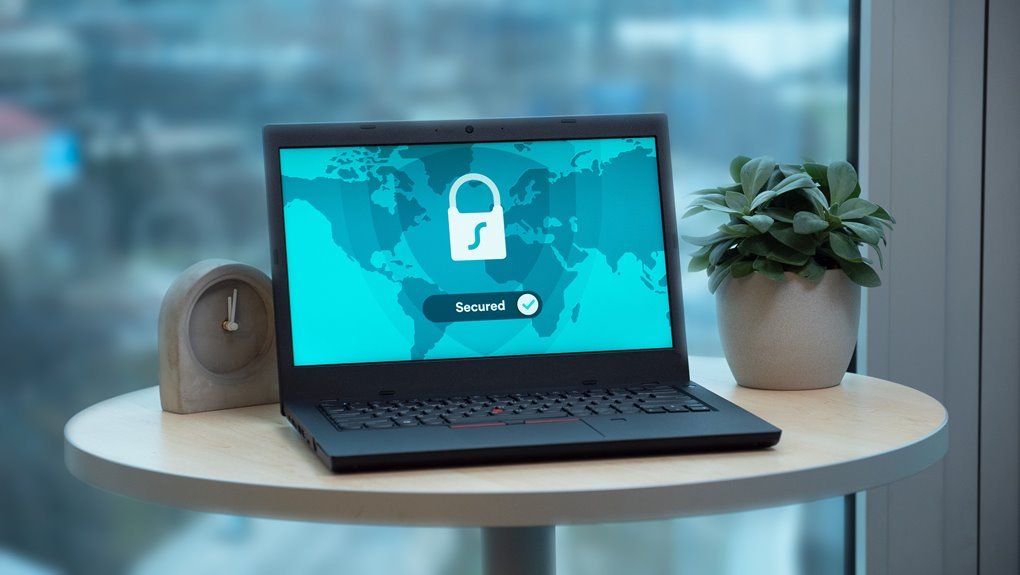
Organizations should implement robust data protection measures, including encryption, access controls, and regular audits, while individuals practice vigilance and responsible sharing.
Proactive planning minimizes unwanted calls and data breaches, fostering informed autonomy and enduring freedom through transparent, accountable information stewardship.
Frequently Asked Questions
Can 8014388430 Be Used for Legitimate Marketing Calls?
Yes, 8014388430 can be used for legitimate marketing calls only if privacy concerns are addressed and consent requirements are met, with explicit authorization, transparent disclosures, and adherence to applicable regulations, policies, and opt-out mechanisms for responsible outreach.
Are There Regional Differences in Scam Call Tactics?
Regional scams and regional targeting do show variations, with tactics adapting to local norms and vulnerabilities. The observer notes these differences and emphasizes proactive vigilance, data-driven monitoring, and targeted education to preserve consumer autonomy and security.
Do Spam Filters Affect Legitimate Business Numbers?
Spam filters can inadvertently block legitimate calls, though properly tuned systems minimize false positives. Call spoofing and regional tactics complicate accuracy; vigilant configuration ensures legitimate calls pass while maintaining defense against spoofed, fraudulent attempts. Continuous refinement is essential.
How Effective Are Caller ID Spoofing Defenses?
Caller ID spoofing defense effectiveness is moderate; protections curb abuse while acknowledging legitimate marketing use, regional scam tactics, and spam filter impact, yet legal rights harassment remains a concern requiring proactive, precise methodical enforcement and ongoing evaluation.
What Legal Rights Exist if I’M Harassed by Calls?
A dim courtroom of silence rises as one observes privacy rights protecting individuals; harassment remedies exist through reporting channels, legal measures, and remedies. The person should pursue documented evidence, regulatory guidance, and proactive, freedom-respecting enforcement.
Conclusion
The article concludes that 8014388430-related concerns demand precise identification, verification, and prompt action. By distinguishing spoofed calls from legitimate messages, individuals can reduce risk and disruption. Proactive measures—blocking, reporting to carriers and authorities, and maintaining meticulous call logs—form the baseline of resilience. Consistent documentation and vigilant monitoring are essential to evolving threats. Staying informed, protected, and prepared ensures control over communications, and avoids being blindsided by deceit that can come from anywhere—knowledge is power. Cat-and-mouse, but progress persists.